
Turiec Region Gallery in Martin
Current exhibitions


Permanent exhibition

For Mikuláš Galanda, home in Turčianske Teplice was more than a physical place – it was a refuge filled with memories, melancholy, and creative inspiration. After childhood illness and early artistic struggles, he often returned there, and its quiet landscape and atmosphere deeply shaped his early graphic works and sense of belonging.
At the Academy of Fine Arts in Prague, Galanda developed an artistic language focused on emotional depth and social awareness. Collaborating with the left-wing magazine DAV under the pseudonym la ganda, he explored themes of urban alienation and social inequality through bold, modern graphic expression. His works from this period, such as the Love in the City lithograph series, captured the loneliness of modern life while maintaining a deeply human touch.
Later, influenced by European modernism, he turned to more painterly depictions of rural and human subjects, combining humanist sensitivity with Cubist stylization. His partnership with Ľudovít Fulla (FU-GA) in the early 1930s represented both a friendship and a shared avant-garde vision inspired by Bauhaus principles, in which Galanda’s art stood out for its organic form, poetic abstraction, and metaphysical undertones.
Ultimately, Galanda’s artistic journey reflects a continuous search for harmony between the personal and the social, the intimate and the universal. Whether through graphic experiments, figurative compositions, or visual poetry, his work reveals a deep empathy for humanity and a belief in the transformative power of modern art.
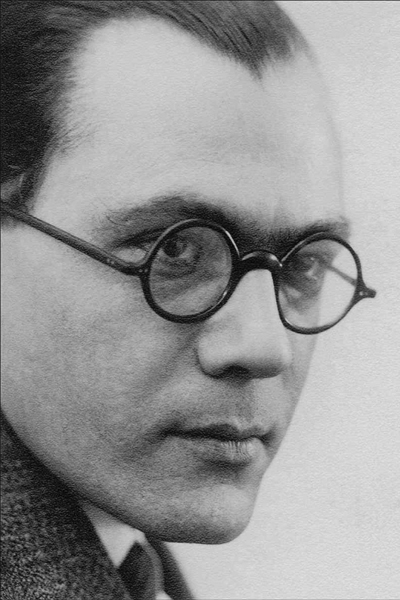
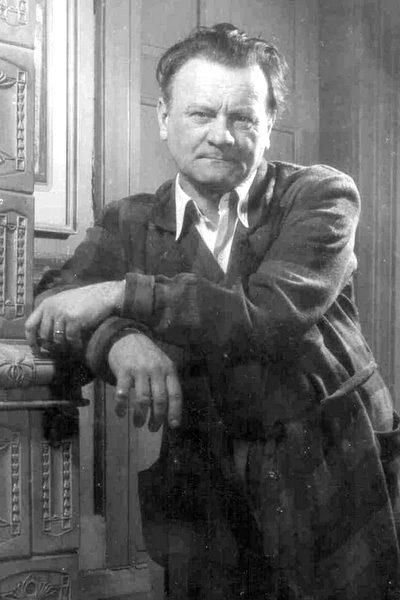
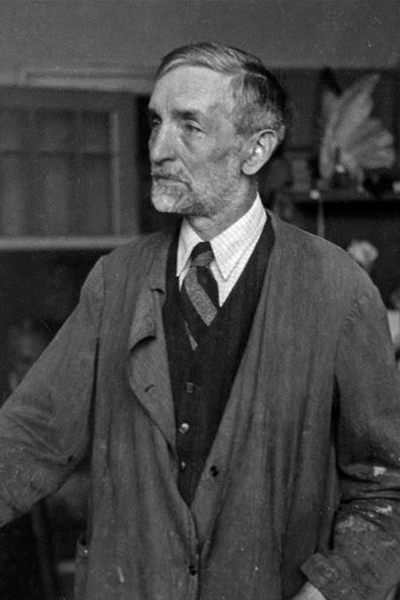
Artists in our collections



About Gallery
Turiec Region Gallery in Martin has, since its establishment in 1984, continuously expanded, documented, presented, and preserved its distinctive collection, focused on the Turiec region—the cultural center of Slovakia in the 20th century. In addition to exhibitions dedicated to regional artists, the gallery also presents works by established Slovak and Czech visual artists and does not overlook the contemporary young generation of artists.
